
Unveiling Ancient Sumerian Warfare and the Secrets of Its Lost Civilization
- Heather

- Oct 21, 2025
- 4 min read
Ancient Sumer, often regarded as one of the world's first civilizations, flourished in the southern part of Mesopotamia, in what is now modern-day Iraq. This civilization, which began emerging around 5000- 4500 BCE, is renowned for its remarkable contributions to human history, including the invention of writing, the wheel, and complex urban societies. However, one of the less discussed aspects of Sumerian life is their approach to warfare. This blog post delves into the intricacies of ancient Sumerian warfare, exploring its strategies, weapons, and the broader implications of conflict in this long-lost civilization.
The Historical Context of Sumerian Warfare
To understand Sumerian warfare, it is essential to grasp the historical context in which it developed. The Sumerians inhabited a region characterized by fertile land, which allowed for agricultural abundance. This agricultural surplus led to population growth and the establishment of city-states, such as Ur, Uruk, and Lagash. However, the very prosperity that defined Sumer also attracted conflict, as neighboring tribes and emerging powers sought to control these rich resources.
The Sumerians faced threats from various groups, including the Akkadians, Elamites, and Amorites. As a result, warfare became a crucial aspect of Sumerian society, influencing their political structures, economy, and culture.
The Structure of Sumerian Armies
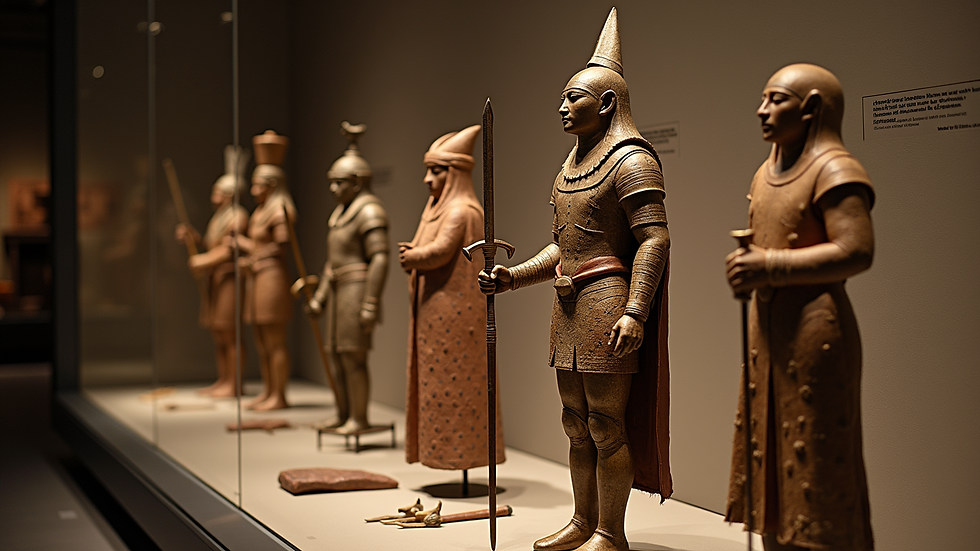
Sumerian armies were typically composed of infantry, archers, and charioteers. The infantry formed the backbone of the military, consisting of foot soldiers equipped with spears, swords, and shields. Archers played a vital role in providing ranged support, while charioteers, who operated two-wheeled chariots pulled by donkeys or horses, were instrumental in both offense and reconnaissance.
Recruitment and Training
The recruitment of soldiers in Sumer was often based on social status and wealth. Nobles and wealthy citizens could afford to equip themselves and their retainers for battle, while commoners were sometimes conscripted during times of war. Training for soldiers varied, with some receiving formal military instruction, while others learned through experience in battle.
Leadership and Strategy
Sumerian military leaders, often referred to as "ensi" or "lugal," played a crucial role in directing campaigns. These leaders were typically kings or high-ranking officials who commanded respect and loyalty from their troops. Strategies employed in warfare included the use of formations, flanking maneuvers, and psychological tactics to intimidate the enemy.
Weapons and Technology
The Sumerians were innovative in their development of weapons and military technology. Their arsenal included:
Spears and Swords: Made from bronze, these weapons were effective in close combat.
Bows and Arrows: Sumerian archers utilized composite bows, which were more powerful than simple wooden bows.
Chariots: The introduction of the chariot revolutionized warfare, allowing for greater mobility and speed on the battlefield.
Siege Weapons: As city-states fortified their walls, the Sumerians developed siege techniques and equipment, such as battering rams and siege towers.
The Role of Armor
Armor in Sumerian warfare was primarily made from leather and bronze. Soldiers wore helmets and protective gear to shield themselves from enemy projectiles. The use of armor varied based on the soldier's rank and wealth, with higher-ranking individuals often donning more elaborate and protective gear.
Notable Conflicts and Campaigns
Several significant conflicts marked the history of ancient Sumer, showcasing the complexities of their warfare.
The Conflict Between Lagash and Umma
One of the most famous Sumerian conflicts was the war between the city-states of Lagash and Umma, which occurred around 2500 BCE. This conflict was primarily over territorial disputes and access to water resources. The war is well-documented through inscriptions and artifacts, highlighting the importance of warfare in Sumerian society.
Sargon of Akkad and the Unification of Mesopotamia
Sargon of Akkad, a prominent figure in Sumerian history, is known for his military conquests that led to the unification of Mesopotamia. His campaigns against various Sumerian city-states showcased the effectiveness of Sumerian military strategies and the use of chariots. Sargon's reign marked a significant shift in the political landscape of the region, as he established one of the world's first empires.
The Impact of Warfare on Sumerian Society
Warfare had profound effects on Sumerian society, influencing various aspects of life.
Political Structures
The constant threat of conflict led to the establishment of centralized political structures. City-states were often ruled by powerful leaders who could command armies and defend their territories. This centralization of power contributed to the development of complex governance systems.
Economic Consequences
Warfare also had economic implications. While conflicts could lead to the acquisition of resources and territory, they often resulted in destruction and loss of life. The need to fund military campaigns placed a strain on the economy, leading to increased taxation and resource allocation towards military endeavors.
Cultural Reflections
The Sumerians recorded their military exploits in literature and art, reflecting the significance of warfare in their culture. Epic tales, such as the "Epic of Gilgamesh," often included themes of heroism and conflict, illustrating the values and beliefs of Sumerian society.
The Decline of Sumerian Civilization
Despite its remarkable achievements, Sumerian civilization eventually declined, largely due to external pressures and internal strife. The rise of the Akkadian Empire and subsequent invasions by the Amorites contributed to the fragmentation of Sumerian city-states. By around 2000 BCE, Sumer had lost its prominence, and its unique culture began to fade.
The Legacy of Sumerian Warfare
The legacy of Sumerian warfare is evident in the military practices of subsequent civilizations in Mesopotamia and beyond. The innovations in weaponry, tactics, and organization laid the groundwork for future military developments. Additionally, the Sumerians' experiences in warfare influenced the political and social structures of later empires, such as the Babylonians and Assyrians.
Conclusion
Ancient Sumerian warfare was a complex and multifaceted aspect of a civilization that laid the foundations for human history. From their innovative military technologies to the profound impact of conflict on society, the Sumerians navigated the challenges of warfare with remarkable ingenuity. As we continue to uncover the secrets of this long-lost civilization, the study of Sumerian warfare offers valuable insights into the dynamics of power, culture, and human resilience.
Comments