
The Founding Fathers of America Their Motivations Ideologies and Lasting Impact
- Heather

- Nov 1, 2025
- 4 min read
The Founding Fathers of America are often celebrated as the architects of a new nation, a group of visionary leaders who laid the groundwork for the United States of America. Their motivations, ideologies, and beliefs were instrumental in shaping the principles of democracy, liberty, and justice that continue to resonate today. This blog post delves into who these influential figures were, what drove them to establish a new nation, and how their legacies impact our lives in the present day.
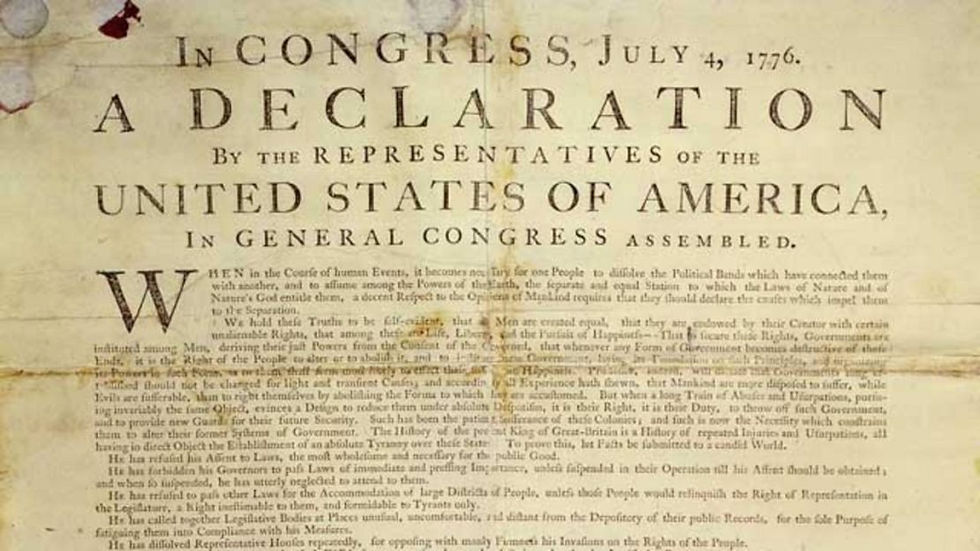
Who Were the Founding Fathers?
The term "Founding Fathers" typically refers to a group of leaders who played significant roles in the American Revolution and the establishment of the United States. Key figures include George Washington, Thomas Jefferson, Benjamin Franklin, John Adams, Alexander Hamilton, and James Madison, among others. Each of these individuals contributed uniquely to the founding of the nation, whether through military leadership, political theory, or diplomatic efforts.
The Founding Fathers were not a monolithic group; they came from diverse backgrounds and held varying views on governance, economics, and society. However, they shared a common goal: to create a nation that would be free from tyranny and oppression.
Motivations Behind the Founding
The motivations of the Founding Fathers were deeply rooted in their experiences with British colonial rule. Many of them had witnessed firsthand the injustices and abuses of power that characterized the monarchy. The desire for independence was fueled by a longing for self-governance and the belief that individuals should have the right to determine their own destinies.
The Influence of Enlightenment Ideas
The Enlightenment, a philosophical movement that emphasized reason, individualism, and skepticism of authority, significantly influenced the Founding Fathers. Thinkers like John Locke and Montesquieu provided the intellectual framework for their beliefs in natural rights and the separation of powers. Locke's idea that individuals possess inherent rights to life, liberty, and property resonated deeply with the Founding Fathers and became a cornerstone of American political philosophy.
Economic Motivations
Economic factors also played a crucial role in the motivations of the Founding Fathers. The colonies were subject to heavy taxation and trade restrictions imposed by the British government. Many Founding Fathers, particularly those involved in commerce and trade, sought to create a system that would allow for economic freedom and prosperity. They believed that a new nation could foster an environment where individuals could pursue their economic interests without oppressive interference.
Ideologies and Beliefs
The ideologies and beliefs of the Founding Fathers were diverse, yet they coalesced around several key principles that would define the new nation.
Democracy and Republicanism
At the heart of the Founding Fathers' vision was a commitment to democracy and republicanism. They believed in the idea of a government that derives its power from the consent of the governed. This was a radical departure from the monarchical systems prevalent in Europe at the time. The Founding Fathers sought to create a representative government that would be accountable to the people, ensuring that their voices were heard in the political process.
Individual Rights and Liberties
The protection of individual rights and liberties was another fundamental belief among the Founding Fathers. They recognized that a government could become tyrannical if left unchecked, and thus, they sought to enshrine certain rights in the Constitution. The Bill of Rights, ratified in 1791, guaranteed essential freedoms such as speech, religion, and assembly, reflecting the Founding Fathers' commitment to protecting individual liberties.
Federalism and the Separation of Powers
The Founding Fathers also championed the principles of federalism and the separation of powers. They understood that a strong central government was necessary for national unity, but they also feared the concentration of power. To address this concern, they established a system of checks and balances among the three branches of government: the executive, legislative, and judicial. This framework was designed to prevent any one branch from becoming too powerful and to ensure that the rights of citizens were safeguarded.
The Lasting Impact of the Founding Fathers
The ideologies and beliefs of the Founding Fathers have had a profound and lasting impact on the United States and the world. Their vision of democracy, individual rights, and the rule of law continues to shape American society and governance.
Influence on Modern Democracy
The principles established by the Founding Fathers have served as a model for democratic movements around the globe. Many countries have looked to the U.S. Constitution and the Bill of Rights as a blueprint for their own governance. The idea that power should be derived from the people and that governments should be accountable to their citizens has inspired countless movements for freedom and democracy.
Ongoing Debates on Rights and Liberties
The Founding Fathers' commitment to individual rights and liberties remains a topic of ongoing debate in contemporary society. Issues such as freedom of speech, gun rights, and privacy continue to be hotly contested, reflecting the dynamic nature of the principles they established. The interpretation of the Constitution and the Bill of Rights is an evolving conversation that shapes American law and society.
The Role of Civic Engagement
The Founding Fathers believed in the importance of civic engagement and participation in the democratic process. Their vision of a government accountable to the people underscores the need for active citizenship. Today, the legacy of the Founding Fathers encourages individuals to engage in political discourse, vote, and advocate for their beliefs, ensuring that democracy remains vibrant and responsive to the needs of the populace.
Conclusion
The Founding Fathers of America were a diverse group of leaders whose motivations, ideologies, and beliefs laid the foundation for a new nation. Their commitment to democracy, individual rights, and the rule of law has had a lasting impact on the United States and the world. As we reflect on their contributions, it is essential to recognize that their vision continues to shape our society today. The principles they established serve as a reminder of the importance of civic engagement, the protection of individual liberties, and the ongoing pursuit of a more perfect union.
In understanding the Founding Fathers, we gain insight into the values that underpin our democracy and the responsibilities that come with it. Their legacy is not just a historical narrative; it is a living testament to the ideals of freedom and justice that we strive to uphold in our modern world.
Comments