
A Guide to War Movies
- Heather

- Oct 26, 2025
- 5 min read
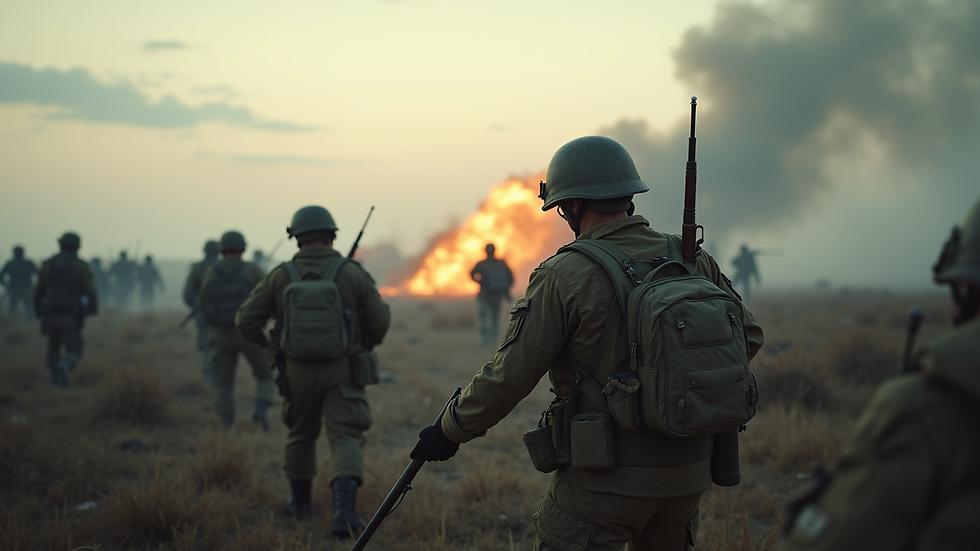
War movies have long captivated audiences, offering a glimpse into the harrowing realities of conflict, the complexities of human nature, and the sacrifices made in the name of duty. From epic battles to intimate stories of survival, these films span decades and genres, each contributing to the rich tapestry of cinematic history. This guide aims to explore the vast landscape of war movies, highlighting key films, themes, and the evolution of the genre.
The Evolution of War Movies
War movies have evolved significantly since the early days of cinema. The first war films emerged during World War I, often serving as propaganda tools to boost morale and support for the war effort. As technology advanced, so did the storytelling techniques used in these films.
In the 1930s and 1940s, Hollywood began producing more sophisticated war films, such as "All Quiet on the Western Front" (1930) and "Casablanca" (1942). These films not only depicted the brutality of war but also explored the emotional and psychological toll it takes on individuals.
The Vietnam War era brought a new wave of war films that challenged traditional narratives. Movies like "Apocalypse Now" (1979) and "Platoon" (1986) presented a more critical view of war, focusing on the moral ambiguities and the impact on soldiers' lives.
Today, war movies continue to evolve, incorporating modern technology and storytelling techniques. Films like "1917" (2019) and "Dunkirk" (2017) showcase innovative cinematography and narrative structures, pushing the boundaries of the genre.
Iconic War Movies Through the Decades
1920s-1940s: The Birth of the Genre
The early years of war cinema laid the groundwork for future films. Notable titles from this era include:
"Wings" (1927): This silent film about World War I aviation won the first Academy Award for Best Picture and set a high standard for war films to come.
"All Quiet on the Western Front" (1930): Based on Erich Maria Remarque's novel, this film offers a poignant look at the horrors of trench warfare.
"The Best Years of Our Lives" (1946): This film explores the challenges faced by World War II veterans returning home, highlighting the psychological impact of war.
1950s-1960s: The Cold War and Beyond
As the Cold War began, war films took on new themes and narratives:
"The Bridge on the River Kwai" (1957): This epic film about British POWs in a Japanese camp during World War II won seven Academy Awards and remains a classic.
"Dr. Strangelove" (1964): A satirical take on the Cold War, this film uses dark humor to explore the absurdity of nuclear conflict.
"The Dirty Dozen" (1967): This action-packed film about a group of misfit soldiers on a suicide mission became a cultural touchstone for the genre.
1970s-1980s: The Vietnam War and Its Aftermath
The Vietnam War profoundly influenced cinema, leading to a wave of films that addressed its complexities:
"Apocalypse Now" (1979): Francis Ford Coppola's surreal depiction of the Vietnam War is a landmark in film history, known for its powerful imagery and themes of madness.
"Platoon" (1986): Oliver Stone's semi-autobiographical film offers a gritty portrayal of the Vietnam War, emphasizing the moral dilemmas faced by soldiers.
"Full Metal Jacket" (1987): Stanley Kubrick's film explores the dehumanizing effects of military training and the brutal realities of combat.
1990s-2000s: A New Perspective
The 1990s and 2000s saw a resurgence of interest in World War II and contemporary conflicts:
"Saving Private Ryan" (1998): Steven Spielberg's film is renowned for its realistic depiction of the D-Day invasion, setting a new standard for war films.
"Black Hawk Down" (2001): This film chronicles the U.S. military's 1993 raid in Mogadishu, Somalia, highlighting the chaos and heroism of modern warfare.
"The Hurt Locker" (2008): A gripping portrayal of an explosive ordnance disposal team in Iraq, this film examines the psychological toll of war on soldiers.
2010s-Present: Modern Warfare and Innovation
Recent war films have embraced new technologies and storytelling methods:
"Dunkirk" (2017): Christopher Nolan's innovative narrative structure and immersive cinematography bring the evacuation of British troops during World War II to life.
"1917" (2019): This film's unique "one-shot" style creates an intense, real-time experience of World War I, showcasing the horrors of trench warfare.
"The Outpost" (2020): Based on true events, this film depicts the Battle of Kamdesh in Afghanistan, highlighting the bravery of soldiers in dire circumstances.
Themes in War Movies
War movies often explore a variety of themes that resonate with audiences. Some of the most common themes include:
Sacrifice and Heroism
Many war films focus on the sacrifices made by soldiers and the heroism displayed in the face of adversity. These narratives often highlight the personal stories of individuals who put their lives on the line for their country.
The Horrors of War
War movies frequently depict the brutal realities of combat, showcasing the physical and emotional toll it takes on soldiers. Films like "Saving Private Ryan" and "Platoon" emphasize the chaos and violence of battle, forcing viewers to confront the harsh truths of war.
Moral Ambiguity
As war becomes increasingly complex, many films explore the moral dilemmas faced by soldiers. Movies like "Apocalypse Now" and "The Hurt Locker" delve into the psychological struggles of individuals grappling with their actions in the heat of battle.
The Impact on Civilians
War films often highlight the effects of conflict on civilians, showcasing the collateral damage of war. Films like "The Pianist" (2002) and "Hotel Rwanda" (2004) provide poignant portrayals of individuals caught in the crossfire.
The Role of Technology in War Movies
Advancements in technology have significantly impacted the production and storytelling of war films. From practical effects to CGI, filmmakers have utilized various techniques to create realistic depictions of combat.
Practical Effects
Many classic war films relied on practical effects to create authentic battle scenes. Explosions, pyrotechnics, and real military equipment were often used to enhance the realism of the film.
CGI and Visual Effects
In recent years, CGI has become a staple in war movies, allowing filmmakers to create stunning visuals and realistic battle sequences. Films like "Dunkirk" and "1917" utilize cutting-edge technology to immerse viewers in the action.
Sound Design
Sound design plays a crucial role in war films, enhancing the emotional impact of scenes. The use of realistic sound effects, such as gunfire and explosions, helps to create an immersive experience for the audience.
The Cultural Impact of War Movies
War movies have a profound cultural impact, shaping public perceptions of conflict and influencing societal attitudes toward the military. These films often serve as a reflection of the times, addressing contemporary issues and sparking discussions about war and peace.
Shaping Public Perception
War films can shape public perception by highlighting the heroism of soldiers and the sacrifices made in the name of duty. However, they can also challenge traditional narratives, prompting viewers to question the morality of war.
Inspiring Change
Many war movies have inspired social change by raising awareness of the consequences of conflict. Films like "Hotel Rwanda" and "Schindler's List" (1993) have brought attention to humanitarian crises, encouraging audiences to take action.
Fostering Empathy
War movies often evoke strong emotional responses, fostering empathy for those affected by conflict. By humanizing soldiers and civilians, these films encourage viewers to consider the personal stories behind the headlines.
Conclusion
The world of war movies is vast and varied, encompassing a rich history of storytelling that reflects the complexities of human nature and the realities of conflict. From the early propaganda films of World War I to the innovative narratives of modern cinema, war movies continue to captivate audiences and provoke thought.
As technology advances and societal attitudes evolve, the genre will undoubtedly continue to grow and change. Whether through epic battles or intimate character studies, war movies will remain a powerful medium for exploring the human experience in times of conflict.
Comments