
Understanding the Historical Scapegoating of Arab Nations and Its Ongoing Impact
- Heather

- Oct 31, 2025
- 3 min read
The narrative surrounding Arab nations has often been marred by misconceptions and stereotypes that have persisted throughout history. From colonial times to contemporary geopolitics, these nations have frequently been scapegoated for various global issues. This blog post aims to explore the historical context of this scapegoating, the reasons behind it, and its ongoing impact on Arab nations today.
Historical Context of Scapegoating
The scapegoating of Arab nations can be traced back to the colonial era when European powers sought to expand their empires. The portrayal of Arabs as barbaric or uncivilized served to justify colonial rule. This narrative was not only a tool for domination but also a means to dehumanize entire populations, making it easier to exploit their resources and labor.
The discovery of oil in the 20th century further complicated the narrative. As Western nations became increasingly dependent on Middle Eastern oil, the geopolitical significance of the region grew. This led to a new wave of stereotypes, where Arab nations were often depicted as greedy or corrupt, reinforcing negative perceptions.
The Role of Media in Shaping Perceptions
Media plays a crucial role in shaping public perceptions of different cultures and nations. In the case of Arab nations, media coverage has often focused on conflict, terrorism, and extremism. This narrow portrayal has contributed to a monolithic view of Arab societies, ignoring their diversity and rich cultural heritage.
The sensationalism often found in news reporting can lead to a skewed understanding of complex issues. For instance, the portrayal of the Arab Spring revolutions was frequently framed through the lens of chaos and violence, overshadowing the legitimate aspirations for democracy and social justice that many citizens were fighting for.
The Impact of Stereotypes on Arab Nations
The stereotypes perpetuated by historical narratives and media representations have real-world consequences. Arab nations often face discrimination and prejudice, both domestically and internationally. This can manifest in various ways, from travel restrictions to economic sanctions, which can further exacerbate existing challenges.
Moreover, these stereotypes can hinder diplomatic relations. When nations are viewed through a lens of suspicion and hostility, it becomes difficult to foster mutual understanding and cooperation. This has been evident in the context of international relations, where Arab nations are often excluded from discussions that affect their futures.
The Ongoing Scapegoating in Contemporary Politics
In recent years, the scapegoating of Arab nations has taken on new forms, particularly in the context of global terrorism. The actions of extremist groups have often been used to generalize and vilify entire populations. This has led to a rise in Islamophobia and anti-Arab sentiment, particularly in Western countries.
Politicians and media outlets sometimes exploit these fears for their own agendas, further entrenching negative stereotypes. The rhetoric surrounding immigration, national security, and foreign policy often paints Arab nations as threats, overshadowing the contributions of these nations to global culture, science, and economy.
The Importance of Understanding Diversity
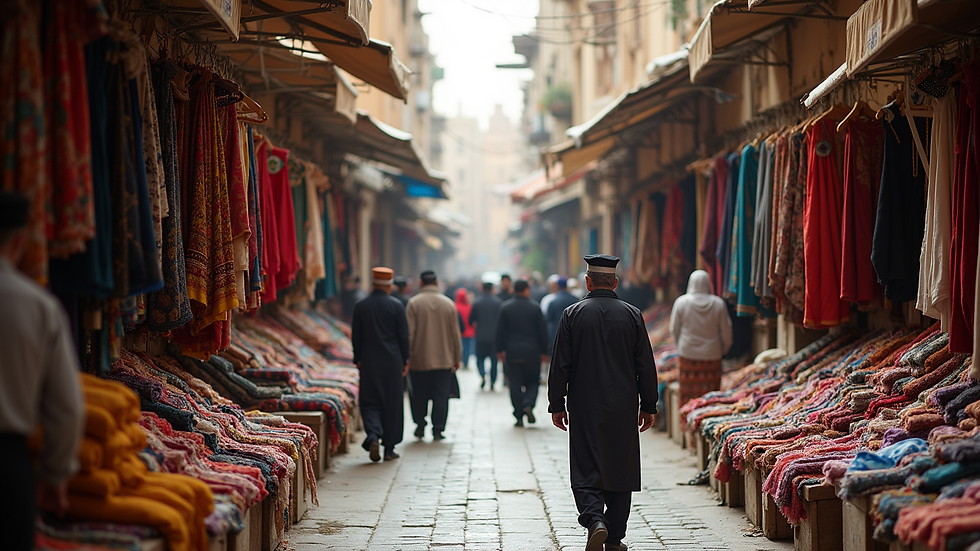
One of the most significant aspects of Arab nations is their diversity. The Arab world is not a monolith; it encompasses a wide range of cultures, languages, and traditions. From the rich history of Egypt to the modern innovations in the Gulf states, understanding this diversity is crucial for dismantling stereotypes.
Promoting cultural exchange and dialogue can help bridge the gap between perceptions and reality. Initiatives that highlight the achievements and contributions of Arab nations can counteract negative narratives and foster a more nuanced understanding.
The Role of Education in Changing Narratives
Education is a powerful tool for combating stereotypes and fostering understanding. By incorporating accurate representations of Arab history and culture into educational curricula, future generations can develop a more informed perspective.
Encouraging critical thinking and media literacy can also empower individuals to question prevailing narratives. Understanding the historical context of scapegoating can help dismantle the biases that have been ingrained in society.
The Global Responsibility to Challenge Stereotypes
Addressing the scapegoating of Arab nations is not solely the responsibility of those within the region. It requires a collective effort from individuals, communities, and nations worldwide. Challenging stereotypes and promoting understanding can lead to a more peaceful and cooperative global environment.
Engaging in open dialogues, supporting diverse voices, and advocating for fair representation in media are essential steps in this process. By working together, we can create a more inclusive narrative that reflects the complexities of Arab nations.
Conclusion
The historical scapegoating of Arab nations has deep roots and continues to impact perceptions today. Understanding this context is crucial for fostering empathy and dismantling stereotypes. By promoting diversity, education, and global responsibility, we can work towards a more nuanced and accurate portrayal of Arab nations.
As we move forward, it is essential to recognize the contributions of these nations to global culture and society. Only through understanding and dialogue can we hope to overcome the challenges posed by historical scapegoating and build a more inclusive future for all.
Comments