
Understanding Global Human Trafficking: Key Players, Motivations and Economic Impacts
- Heather

- Oct 25, 2025
- 4 min read
Human trafficking is a pervasive issue that affects millions of individuals worldwide. It is a complex crime that transcends borders, cultures, and economies. Understanding the key players involved, the motivations behind trafficking, and its impact on citizens and economies is crucial for addressing this global crisis.
In this blog post, we will explore the various dimensions of human trafficking, shedding light on who the key players are, what individuals are trafficked for, and how this heinous crime affects societies and economies around the globe.
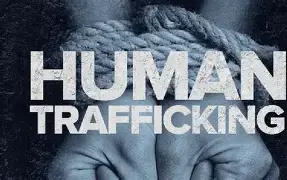
Key Players in Human Trafficking
Traffickers
At the heart of human trafficking are the traffickers themselves. These individuals or organized groups exploit vulnerable populations for profit. Traffickers often use manipulation, coercion, and violence to control their victims. They may operate locally, nationally, or internationally, making it difficult for law enforcement to track and apprehend them.
Traffickers can be part of larger criminal networks or operate independently. They often target marginalized groups, including women, children, and migrants, who may be more susceptible to exploitation due to their socio-economic conditions.
Victims
The victims of human trafficking are often the most vulnerable members of society. They may come from impoverished backgrounds, lack education, or be fleeing conflict or persecution. Victims are trafficked for various purposes, including forced labor, sexual exploitation, and organ trafficking.
Understanding the demographics of trafficking victims is essential for developing effective prevention and intervention strategies. Women and children make up a significant portion of trafficking victims, but men are also affected, particularly in labor trafficking situations.
Governments and Law Enforcement
Governments play a crucial role in combating human trafficking. They are responsible for creating and enforcing laws that protect individuals from trafficking and provide support for victims. However, the effectiveness of these efforts can vary significantly from one country to another.
Law enforcement agencies are often on the front lines of the fight against human trafficking. They work to investigate trafficking cases, arrest traffickers, and rescue victims. However, limited resources, lack of training, and corruption can hinder their efforts.
Non-Governmental Organizations (NGOs)
NGOs are vital in raising awareness about human trafficking and providing support to victims. They often work in collaboration with governments and law enforcement to develop prevention programs, offer rehabilitation services, and advocate for policy changes.
Many NGOs focus on specific aspects of trafficking, such as child exploitation or labor trafficking, and provide essential resources for victims, including shelter, counseling, and legal assistance.
What Are Humans Trafficked For?
Sexual Exploitation
One of the most well-known forms of human trafficking is sexual exploitation. Victims, primarily women and children, are forced into prostitution or other forms of sexual servitude. Traffickers often use deception, coercion, or violence to control their victims, making it difficult for them to escape.
The demand for commercial sex drives this form of trafficking, with many victims being sold in brothels, on the streets, or through online platforms. The stigma surrounding sex work often prevents victims from seeking help, further entrenching them in their situation.
Forced Labor
Forced labor is another significant aspect of human trafficking. Victims are coerced into working under threat of violence or other forms of punishment. This can occur in various industries, including agriculture, construction, and manufacturing.
Many victims of forced labor are migrants seeking better economic opportunities. Traffickers exploit their vulnerability, often charging exorbitant fees for transportation and employment, leaving them in debt and unable to escape their situation.
Organ Trafficking
Organ trafficking is a less visible but equally concerning form of human trafficking. Victims are often kidnapped or deceived into selling their organs, which are then sold on the black market. This form of trafficking is particularly prevalent in regions with weak legal frameworks and high demand for organ transplants.
The ethical implications of organ trafficking are profound, as it raises questions about consent, exploitation, and the commodification of human life. Efforts to combat organ trafficking require international cooperation and stringent regulations.
Impact on Citizens and Economies Worldwide
Social Impact
Human trafficking has far-reaching social consequences. It undermines the safety and security of communities, perpetuating cycles of violence and exploitation. Victims often suffer from physical and psychological trauma, which can have lasting effects on their well-being.
The presence of trafficking in a community can also lead to increased crime rates and a breakdown of social cohesion. As communities grapple with the consequences of trafficking, trust in local institutions may erode, making it more challenging to address the issue effectively.
Economic Impact
The economic impact of human trafficking is significant. It creates an underground economy that undermines legitimate businesses and contributes to corruption. Traffickers often exploit vulnerable populations, leading to a loss of productivity and economic potential.
Moreover, the costs associated with combating human trafficking, including law enforcement, healthcare, and social services, can strain public resources. Countries with high rates of trafficking may also face challenges in attracting foreign investment, as investors may be wary of operating in regions with poor human rights records.
Global Response
The global response to human trafficking has evolved over the years, with increased awareness and collaboration among governments, NGOs, and international organizations. Initiatives such as the United Nations' Global Plan of Action to Combat Trafficking in Persons aim to strengthen international cooperation and provide a framework for addressing the issue.
However, challenges remain. The clandestine nature of trafficking makes it difficult to gather accurate data, and many victims remain hidden from view. Continued efforts are needed to raise awareness, improve victim support services, and strengthen legal frameworks to combat trafficking effectively.
Conclusion
Human trafficking is a complex and multifaceted issue that requires a comprehensive response from all sectors of society. By understanding the key players involved, the motivations behind trafficking, and its impact on citizens and economies, we can work towards effective solutions to combat this global crisis.
Raising awareness, supporting victims, and advocating for policy changes are essential steps in the fight against human trafficking. As individuals, communities, and nations, we must come together to address this pressing issue and ensure that all individuals are free from exploitation and abuse.
The fight against human trafficking is not just a legal or humanitarian issue; it is a moral imperative that calls for our collective action and commitment to creating a safer, more just world for everyone.
Comments