
The Woke Mind Virus: Unpacking the Psychological Warfare on Society and Its Impact on Equality
- Heather

- Oct 15, 2025
- 5 min read
In recent years, the term "woke" has shifted from a call for social awareness to a charged label that elicits strong reactions across the political landscape. The "woke mind virus" refers to the influence of certain beliefs and ideologies on societal norms and attitudes. This blog post will explore its implications, particularly regarding feminism, the perceived indoctrination of children, reverse racism, and the inequalities that arise from reverse discrimination.

Understanding the Woke Mind Virus
The woke mind virus suggests that specific beliefs have infiltrated our society, leading to a form of psychological warfare. This conflict is often characterized by the aggressive push for social justice, which can stifle open dialogue and critical thinking, resulting in a polarized environment.
Originally, "woke" emerged from African American Vernacular English, emphasizing an awareness of social injustices, especially racial ones. However, as the term expanded, it also embraced broader progressive ideas, including feminism, LGBTQ+ rights, and environmental issues. Although many support these causes, critics warn that the woke movement can sometimes devolve into dogma that divides rather than unites, leading to psychological consequences for individuals and society.
The Feminist Perspective: Empowerment or Division?
Feminism has historically been a vital movement promoting women's rights and gender equality. However, modern "intersectional feminism" has sparked significant debate about its methods and outcomes.
Intersectional feminism addresses the various systems of oppression that uniquely affect women based on race, class, and sexuality. While this approach intends to make the movement more inclusive, critics argue that it may create a rift among women. For example, in a survey by the Pew Research Center, 52% of women reported feeling that intersectionality complicates conversations around gender equality, making it difficult to unify for common goals. This division can lead to alienation and resentment, detracting from the mission of feminism.
The Poisoning of Children's Minds
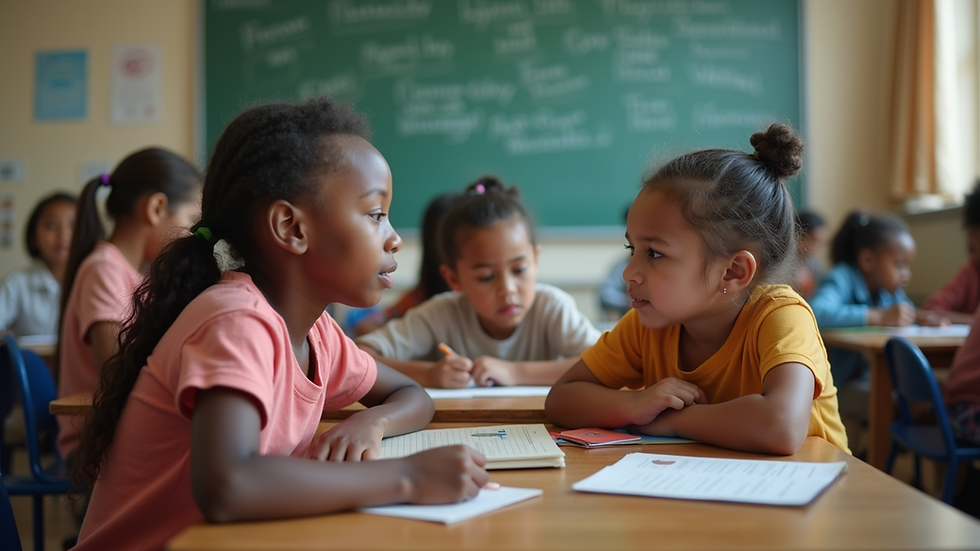
One concerning aspect of the woke mind virus is its perceived impact on children, as some believe they are being influenced by ideologies that promote division over unity.
In educational curricula across the United States, concepts like critical race theory and discussions on gender identity are becoming prevalent. For instance, a study by the Brookings Institution found that 60% of teachers now incorporate social justice topics into their lessons. While supporters claim these ideas foster empathy and awareness, many argue they risk creating confusion, leading children to feel guilt or victimhood based solely on their identity.
The worry is that this results in a generation with a warped perception of social dynamics—more prone to polarization and less equipped to engage in meaningful discussions. This possibility raises critical questions about the long-lasting psychological effects of such educational practices.
Reversed Racism: A New Form of Discrimination?
The idea of reversed racism has gained traction in conversations related to the woke mind virus. Critics believe that efforts to rectify historical injustices have resulted in a new form of discrimination against historically privileged groups.
Policies such as affirmative action and diversity quotas often come under scrutiny. For example, a report from the American Enterprise Institute found that in higher education, students from underrepresented backgrounds benefitted from admissions processes that favored them, which some argue created resentment among majority-group students. This raises important questions about these policies' effectiveness in achieving true equality and whether we risk valuing individuals based on their identity rather than their abilities.
Inequality Due to Reverse Discrimination
The consequences of reverse discrimination are not merely personal; they can influence the very fabric of our society. Critics assert that prioritizing identity over merit can lead to declines in quality and standards.
In educational environments, for instance, when admissions favor certain demographics, there are claims that academic excellence may diminish. A report from the National Bureau of Economic Research indicates that institutions that focused on diversity criteria in admissions saw a 10% drop in overall academic performance in the succeeding years. This concern isn't limited to education but extends to sectors like employment, where hiring based on identity rather than qualifications can lead to inefficiencies.
Finding the right balance between addressing historical injustices and ensuring fair treatment based on merit is crucial. The ongoing debate highlights the complexity of equality and the need for thoughtful solutions.
The Psychological Impact of Division
The social conflict tied to the woke mind virus has profound psychological effects on individuals and communities. The relentless focus on identity and division can cultivate feelings of alienation, anxiety, and resentment.
People feeling marginalized due to prevailing ideologies often experience isolation from their communities. This disconnect can contribute to heightened polarization and a reluctance to engage in constructive conversations. In a survey, 67% of respondents reported feeling less confident voicing dissenting opinions due to fear of backlash, which stifles creativity and critical thinking.
Furthermore, the pressure to adhere to certain ideologies can instill a culture of fear, inhibiting true dialogue and ultimately hindering societal progress.
The Role of Media and Technology
Social media's rise has significantly amplified the influence of the woke mind virus. These platforms often prioritize sensationalism, which fosters division and conflict.
Algorithms designed to maximize engagement typically favor emotionally charged content, isolating users in echo chambers where dissenting opinions fade away. According to a study by the Pew Research Center, 74% of social media users report that they often encounter only information that aligns with their existing beliefs, making constructive dialogue increasingly difficult.
The overall media landscape can thus contribute to societal psychological warfare, complicating efforts to find common ground.
Seeking Common Ground
Despite the challenges posed by the woke mind virus, striving for common ground in discussions about social justice and equality remains vital.
Open dialogue focused on shared values can bridge divides. We can emphasize empathy, compassion, and mutual respect. Programs that encourage community engagement—like local discussion forums—have shown promise in creating platforms for constructive dialogue, reducing polarization.
Additionally, fostering critical thinking can empower individuals to question prevailing narratives, helping them develop their own informed opinions. This approach can counter the psychological grip of the woke mind virus while promoting a more inclusive and understanding society.

Reflection on the Woke Mind Virus
The woke mind virus represents a complex issue with significant societal implications. While pursuing social justice and equality is essential, it is crucial to navigate these discussions with thoughtfulness.
By acknowledging the possible drawbacks of division, reverse discrimination, and indoctrination, we can work towards a more equitable society emphasizing open dialogue and critical thought.
Ultimately, our goal should be to cultivate understanding and empathy, fostering a harmonious society where every individual has the opportunity to thrive.
Comments