
The Evolution of Swords and Knives: A Comprehensive History from Ancient Times to Today
- Heather

- Oct 22, 2025
- 5 min read
The history of swords and knives is a fascinating journey that spans thousands of years, reflecting the evolution of human civilization, technology, and culture. From the earliest stone tools to the sophisticated blades of today, these weapons have played a crucial role in warfare, hunting, and daily life. This blog post will explore the complete history of swords and knives, examining their development from ancient times to the present day.
The Dawn of Blades: Prehistoric Times
The story of knives begins in prehistoric times, where early humans crafted tools from stone. These primitive knives were essential for survival, used for cutting meat, skinning animals, and preparing food. The earliest known knives date back to around 2.5 million years ago, made from flint and other hard stones.
As humans progressed, so did their tool-making techniques. The introduction of metalworking around 3000 BCE marked a significant turning point. Copper and bronze were the first metals used to create knives and blades, leading to stronger and more durable tools.
The Rise of Swords: Ancient Civilizations
Mesopotamia and Egypt
By 3000 BCE, the first swords began to appear in ancient Mesopotamia and Egypt. These early swords were typically made of bronze and featured a leaf-shaped blade. The Egyptians, in particular, developed a variety of sword types, including the khopesh, a curved blade that became a symbol of power and authority.
The use of swords in these civilizations was not only practical but also ceremonial. They were often buried with pharaohs and used in religious rituals, signifying their importance in society.
The Influence of the Greeks and Romans
The Greeks and Romans further advanced sword design and metallurgy. The Greek xiphos and the Roman gladius became iconic weapons of their respective armies. The gladius, in particular, was known for its effectiveness in close combat, and its design influenced many subsequent sword types.
The Romans also introduced the concept of mass production of weapons, utilizing standardized designs that allowed for efficient manufacturing. This innovation played a crucial role in the expansion of the Roman Empire, as soldiers were equipped with reliable and effective weapons.
The Middle Ages: The Age of Chivalry
The Development of the European Sword
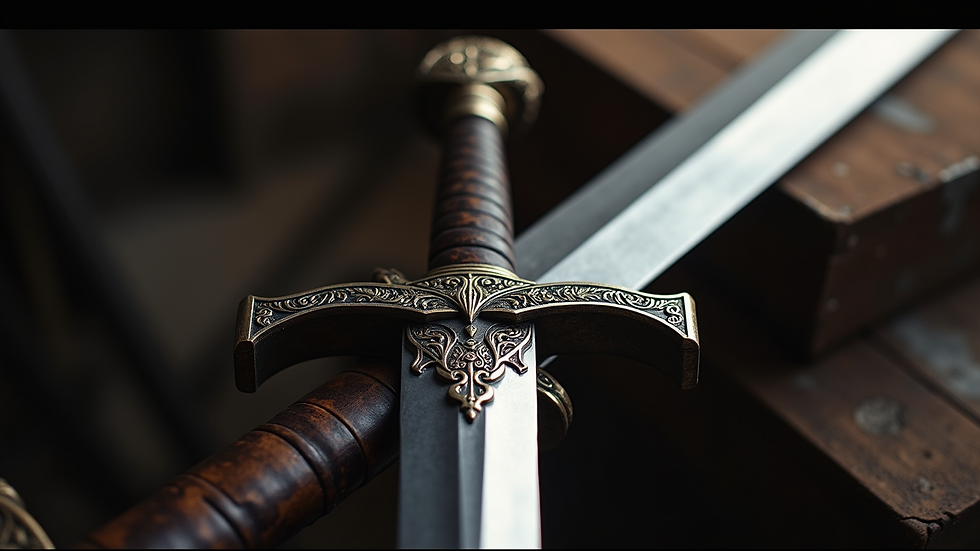
The Middle Ages saw the rise of the knight and the chivalric code, which greatly influenced sword design. The longsword emerged as a popular weapon during this period, characterized by its double-edged blade and crossguard. Knights wielded these swords in battle and tournaments, and they became symbols of honor and nobility.
The craftsmanship of swords reached new heights during the Middle Ages, with skilled blacksmiths creating intricate designs and patterns on blades. The use of damascus steel, known for its strength and unique patterns, became prevalent, further enhancing the beauty and functionality of swords.
The Role of Knives in Everyday Life
While swords were primarily associated with warfare and nobility, knives played a vital role in everyday life during the Middle Ages. They were used for various tasks, from food preparation to personal defense. The design of knives evolved, with the introduction of folding knives, which became popular among travelers and common folk.
Knives also held cultural significance, often passed down through generations as family heirlooms. They were not only practical tools but also symbols of identity and heritage.
The Renaissance and Beyond: Innovation and Change
The Advent of Firearms
The Renaissance brought about significant changes in warfare, particularly with the advent of firearms. As guns became more prevalent on the battlefield, the role of swords began to shift. While swords remained important, they were increasingly seen as sidearms rather than primary weapons.
However, this period also saw the refinement of sword design. The rapier emerged as a popular weapon among the nobility, characterized by its slender blade and emphasis on thrusting techniques. The rapier became a symbol of elegance and sophistication, often associated with dueling and personal honor.
The Industrial Revolution and Mass Production
The Industrial Revolution in the 18th and 19th centuries revolutionized the production of swords and knives. Advances in metallurgy and manufacturing techniques allowed for mass production, making these weapons more accessible to the general public.
During this time, the design of knives also evolved, with the introduction of specialized blades for various tasks, such as kitchen knives, pocket knives, and hunting knives. The development of stainless steel in the early 20th century further enhanced the durability and maintenance of knives.
The Modern Era: Swords and Knives Today
Contemporary Sword Design
In the modern era, swords are no longer primarily used for warfare but have found a place in martial arts, historical reenactments, and as collectibles. Swordsmiths continue to create high-quality blades, often blending traditional techniques with modern materials.
The popularity of sword fighting as a sport has also led to the development of specialized swords, such as the foil, epee, and sabre used in fencing. These swords are designed for safety and performance, allowing practitioners to engage in competitive matches.
The Versatility of Knives
Today, knives are ubiquitous and serve a multitude of purposes. From culinary knives used by professional chefs to tactical knives designed for outdoor enthusiasts, the variety of knives available is vast.
The rise of the survivalist and outdoor culture has also led to an increased interest in high-quality knives. Brands specializing in tactical and survival knives have gained popularity, emphasizing durability, functionality, and design.
The Cultural Significance of Swords and Knives
Symbolism and Mythology
Throughout history, swords and knives have held significant cultural and symbolic meanings. They are often associated with power, honor, and bravery. In many cultures, swords are seen as symbols of justice and protection, while knives can represent survival and resourcefulness.
Mythology and literature are filled with references to legendary swords, such as Excalibur from Arthurian legend or the sword of Gryffindor from the Harry Potter series. These stories highlight the enduring fascination with swords and their place in human imagination.
The Role in Modern Media
In contemporary culture, swords and knives continue to capture the public's imagination through films, television shows, and video games. Iconic characters wielding swords, such as Aragorn from "The Lord of the Rings" or Katana from "Suicide Squad," have contributed to the enduring popularity of these weapons.
The portrayal of swords and knives in media often emphasizes their historical significance while also romanticizing their use in combat and adventure. This has led to a resurgence of interest in swordsmanship and knife skills among enthusiasts.
Conclusion
The history of swords and knives is a testament to human ingenuity and adaptability. From their humble beginnings as stone tools to the sophisticated blades of today, these weapons have evolved alongside civilization. They have played crucial roles in warfare, culture, and daily life, reflecting the values and needs of society throughout the ages.
As we look to the future, the legacy of swords and knives will undoubtedly continue to inspire and captivate. Whether as tools, symbols, or collectibles, their significance remains deeply rooted in our collective history.

Comments