
Exploring Historical Occurrences and Deep-Seated Conflicts in Canaan from Past to Present
- Heather

- Oct 15, 2025
- 5 min read
Canaan, a region steeped in history and cultural significance, has been the focal point of numerous historical occurrences and deep-seated conflicts. This area, which encompasses modern-day Israel, Palestine, Lebanon, and parts of Syria and Jordan, has witnessed a tapestry of civilizations, religions, and ideologies. Understanding the historical context of Canaan is essential to grasp the complexities of its present-day conflicts. This blog post delves into the historical occurrences that have shaped Canaan and the ongoing conflicts that continue to affect its people.
The Ancient Roots of Canaan
Canaan's history dates back to ancient times, with archaeological evidence suggesting that it was inhabited as early as the Neolithic period. The region was known for its fertile land and strategic location, making it a desirable area for various civilizations.
The Canaanites, a group of ancient Semitic-speaking people, were among the earliest inhabitants. They established city-states and engaged in trade, agriculture, and craftsmanship. The Canaanites worshipped a pantheon of gods, and their culture was rich in mythology and religious practices.
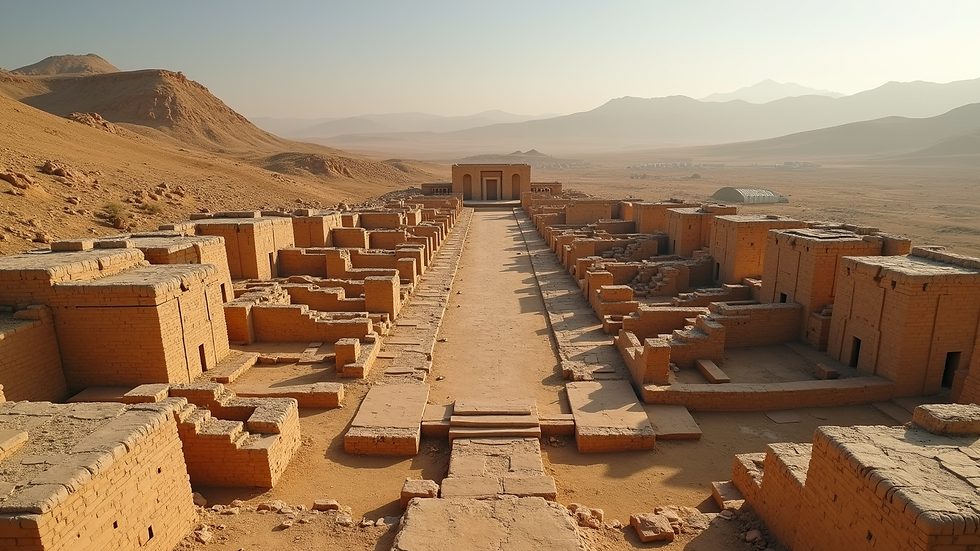
As the centuries progressed, Canaan became a crossroads for various empires, including the Egyptians, Assyrians, Babylonians, and Persians. Each of these powers left an indelible mark on the region, contributing to its complex cultural and historical landscape.
The Biblical Significance of Canaan
Canaan holds a prominent place in biblical history, particularly in the narratives of the Hebrew Bible. According to biblical accounts, Canaan was the land promised to the Israelites by God. The conquest of Canaan by the Israelites, led by figures such as Joshua, is a pivotal event in Jewish history.
The biblical narratives depict a land flowing with milk and honey, but they also recount the conflicts between the Israelites and the indigenous Canaanite populations. These stories have shaped the religious and cultural identity of the Jewish people and continue to influence contemporary perspectives on the region.
The significance of Canaan in Christianity and Islam further complicates its historical narrative. For Christians, it is the land where Jesus lived and preached, while for Muslims, it is associated with various prophets and significant events in Islamic tradition.
The Roman Era and Its Aftermath
The Roman conquest of Canaan in 63 BCE marked a significant turning point in the region's history. The Romans established control over the area, leading to the integration of Canaan into the broader Roman Empire. This period saw the construction of cities, roads, and infrastructure, which facilitated trade and cultural exchange.
However, Roman rule was not without conflict. The Jewish population in Canaan resisted Roman authority, leading to a series of revolts, most notably the Great Jewish Revolt (66-73 CE) and the Bar Kokhba Revolt (132-135 CE). These uprisings were met with brutal suppression, resulting in significant loss of life and the destruction of the Second Temple in Jerusalem.
The aftermath of these revolts led to the dispersion of the Jewish population, known as the Diaspora, and a shift in the demographic landscape of Canaan. The region was increasingly populated by other groups, including Christians and Muslims, further complicating its cultural and religious identity.
The Rise of Islam and the Crusades
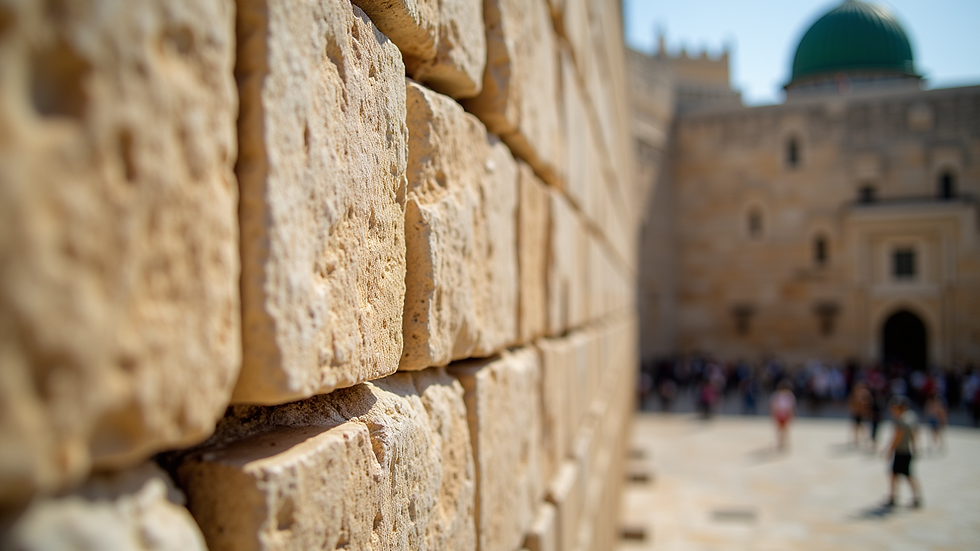
The advent of Islam in the 7th century CE brought about another transformative period for Canaan. The region became part of the Islamic Caliphate, and cities like Jerusalem gained immense religious significance for Muslims. The Dome of the Rock, built on the Temple Mount, stands as a testament to this era.
However, the Crusades in the 11th century reignited conflicts over Canaan. European Christians sought to reclaim the Holy Land, leading to a series of military campaigns that resulted in significant bloodshed. The Crusaders established several kingdoms in the region, but their presence was met with fierce resistance from Muslim forces.
The conflicts during the Crusades left a lasting legacy of animosity between Christians and Muslims, which continues to resonate in contemporary discussions about Canaan and its significance.
Ottoman Rule and Modern Nationalism
The Ottoman Empire's control over Canaan from the 16th century until the early 20th century brought a period of relative stability. The Ottomans implemented administrative reforms and infrastructure development, contributing to the region's economic growth.
However, the decline of the Ottoman Empire in the 19th century coincided with the rise of nationalist movements. Jewish nationalism, known as Zionism, emerged in response to widespread anti-Semitism in Europe. The movement sought to establish a Jewish homeland in Canaan, leading to increased Jewish immigration to the region.
Simultaneously, Arab nationalism began to take shape, as the Arab population sought independence and self-determination. The conflicting national aspirations of Jews and Arabs laid the groundwork for future tensions and conflicts in Canaan.
The British Mandate and the Birth of Israel
Following World War I, Canaan came under British control through the League of Nations mandate. The Balfour Declaration of 1917, which expressed support for the establishment of a Jewish homeland in Palestine, further fueled tensions between Jewish and Arab communities.
The interwar period saw escalating violence and unrest as both groups vied for control and recognition. The Arab Revolt of 1936-1939 highlighted the deep-seated grievances of the Arab population against British rule and Jewish immigration.
The culmination of these tensions occurred in 1947 when the United Nations proposed a partition plan to create separate Jewish and Arab states. The plan was accepted by Jewish leaders but rejected by Arab leaders, leading to the outbreak of the 1948 Arab-Israeli War.
The Ongoing Israeli-Palestinian Conflict
The establishment of the State of Israel in 1948 marked a new chapter in Canaan's history, but it also ignited a protracted conflict that continues to this day. The war resulted in the displacement of hundreds of thousands of Palestinians, leading to a refugee crisis that persists today in the region.
The Israeli-Palestinian conflict is characterized by deep-seated grievances, territorial disputes, and competing national narratives. Key issues include the status of Jerusalem, the right of return for Palestinian refugees, and the borders of a potential Palestinian state.
Efforts to achieve peace have been met with numerous challenges, including violence, political divisions, and external influences. The Oslo Accords in the 1990s offered a glimmer of hope for a two-state solution, but subsequent developments have complicated the path to peace.
Contemporary Perspectives and Future Prospects
Today, Canaan remains a region of profound significance, not only for its historical and religious heritage but also for its ongoing conflicts. The complexities of identity, nationalism, and historical grievances continue to shape the lives of those who inhabit the land.
Understanding the historical occurrences and deep-seated conflicts in Canaan is crucial for fostering dialogue and promoting peace. Acknowledging the diverse narratives and experiences of both Israelis and Palestinians is essential for building a shared future.
As the world watches the developments in Canaan, the hope for a peaceful resolution remains a distant yet vital aspiration. The lessons of history serve as a reminder of the importance of empathy, understanding, and cooperation in addressing the challenges that lie ahead.
Conclusion
Canaan's history is a rich tapestry woven with the threads of ancient civilizations, religious significance, and modern conflicts. From its ancient roots to the present day, the region has been shaped by a multitude of factors that continue to influence its people and their aspirations.
The deep-seated conflicts in Canaan are not merely political; they are deeply intertwined with identity, culture, and history. As we explore the historical occurrences that have shaped this region, it becomes evident that understanding the past is essential for navigating the complexities of the present.
In the quest for peace and reconciliation, it is crucial to recognize the shared humanity of all those who call Canaan home. By fostering dialogue and understanding, there is hope for a future where the rich history of Canaan can be celebrated by all its inhabitants.
Comments