
Exploiting Puerto Rico: The Dark History of Pharmaceutical Experiments and Economic Neglect
- Heather

- Oct 24, 2025
- 3 min read
Puerto Rico, a territory of the United States, holds a complex and often troubling history, especially concerning its role in the pharmaceutical industry. This post explores how the U.S. has used Puerto Rico for pharmaceutical experiments and manufacturing, while largely neglecting the island's economic advancement.
Historical Context
After the Spanish-American War in 1898, Puerto Rico became a U.S. territory. This shift began a long and complicated relationship between the island and the mainland. Initially viewed as a strategic military post, Puerto Rico evolved into a hub for various industries, particularly pharmaceuticals.
In the 1950s, the pharmaceutical industry boomed in Puerto Rico due to favorable tax incentives and minimal regulations. Statistics reveal that by the 1970s, around 30% of the island’s manufacturing was driven by pharmaceutical companies. This environment attracted numerous firms that saw the island as an ideal location for drug manufacturing and clinical testing.
However, this rapid growth came at a cost. Many Puerto Ricans became subjects in clinical trials, often without sufficient informed consent or oversight, putting their health and safety at risk.
The Role of Pharmaceutical Companies
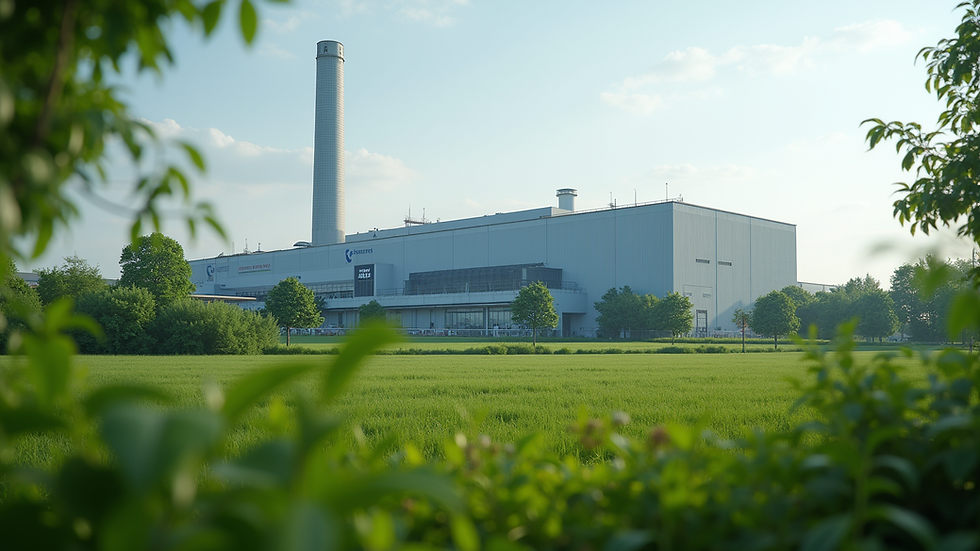
Pharmaceutical companies are attracted to Puerto Rico due to various economic benefits. The island provides generous tax incentives that make establishing manufacturing plants financially appealing. In fact, companies like Pfizer and Johnson & Johnson have expanded their operations in Puerto Rico, where labor costs are often 65% lower than in mainland U.S. facilities.
Despite these benefits for businesses, the local population has often felt exploited. Many residents describe their experiences as akin to being part of a large pharmaceutical experiment with little regard for their health or well-being. A survey conducted in 2020 showed that over 70% of Puerto Ricans expressed concerns about the ethical implications surrounding pharmaceutical trials on the island.
Exploitation of Local Resources
Exploitation in Puerto Rico goes beyond its workforce; the island’s natural resources are also vulnerable. Water, land, and other vital resources have been heavily utilized by pharmaceutical companies, often leading to environmental issues such as water scarcity and pollution.
Local policymakers sometimes prioritize the interests of pharmaceutical businesses over the community's needs. Consequently, investments in critical areas like public health, education, and infrastructure often fall short. For example, Puerto Rico's public health budget has repeatedly faced cuts, with a 40% reduction over the past decade, impacting essential services for residents.
The Impact on Public Health
The public health consequences of pharmaceutical experiments in Puerto Rico are deeply concerning. Many residents have reported negative health effects from drugs tested on the island, leading to ethical debates about pharmaceutical practices.
A significant number of individuals involved in clinical trials reported insufficient information about risks, which has fostered an atmosphere of mistrust towards the healthcare system and pharmaceutical industry. This has resulted in a prevalent sentiment among Puerto Ricans that their welfare is secondary to profit-making endeavors.
Economic Neglect
As a U.S. territory, Puerto Rico has not enjoyed the same level of federal support as the states. The island has struggled with economic difficulties, marked by an unemployment rate of approximately 8% as of 2023 and a poverty rate exceeding 40%.
Critics argue that the U.S. government has failed to support Puerto Rican economic advancement. While pharmaceutical companies have flourished, many residents continue to endure substantial poverty and limited access to vital services such as healthcare and education.
The Political Landscape
Puerto Rico’s political status complicates its economic situation. As a territory, it lacks full representation in Congress, hindering its ability to effectively advocate for its needs. This power imbalance often results in decisions made by the U.S. government without full consideration of Puerto Rican interests.
The political relationship has frequently been characterized by a paternalistic approach, where the U.S. has historically made decisions for Puerto Rico, overlooking residents’ voices and opinions.
The Future of Puerto Rico
Looking ahead, Puerto Rico faces significant challenges, including economic instability and public health issues. However, hope for change exists.
In recent years, a growing movement among Puerto Ricans has emerged, advocating for rights and increased autonomy. This grassroots activism could pave the way for a more equitable relationship between Puerto Rico and the U.S.
Moving Forward
The complex history of pharmaceutical experimentation and economic neglect in Puerto Rico serves as a stark reminder of colonialism and exploitation. While the U.S. has gained immeasurable benefits from Puerto Rico, its residents have often been left behind.
As the island navigates these challenges, it is crucial that both Puerto Ricans and the U.S. government engage in meaningful discussions about the future. Only with mutual respect and understanding can a more equitable relationship be established, ensuring Puerto Ricans are valued as citizens deserving of support rather than subjects of experimentation.
Ultimately, the story of Puerto Rico is one of resilience and struggle. As the island moves forward, recognizing its past and striving for a future that prioritizes the welfare of its residents is essential.
Comments